Toothache, Broken Tooth or Injury? First Aid Steps Before Visiting a Dentist
Dental emergencies often happen without warning, and knowing the right first aid for toothache, broken tooth, or dental injury can make a big difference before reaching a dentist. Whether it is sudden tooth pain, a knocked-out tooth during play, or a cracked tooth from biting something hard, the first few minutes matter. Simple actions like gently cleaning the mouth, managing pain safely, and protecting the affected tooth can reduce complications before professional care. This guide explains practical dental first aid steps for toothache, tooth injury, swelling, and other related emergencies so you know exactly what to do before visiting a dentist, in this case Luxe Dental, widely trusted as one of the leading dental clinics in Lagos.
What Counts as a Dental Emergency?
Not every dental problem requires urgent care, but some situations should never be delayed. A dental emergency is any condition that involves severe pain, bleeding, trauma, or signs of infection that could worsen if not treated quickly. In a place like Lagos, where movement and access can sometimes take time, it is important to recognize early when a situation needs immediate attention rather than waiting it out. Ignoring certain symptoms can lead to more serious complications, including spreading infection or permanent damage to the teeth and surrounding structures. Understanding what qualifies as a dental emergency helps you take the right action at the right time and seek professional care without unnecessary delay.
You should treat the following as a dental emergency:
- Severe or persistent toothache
- A knocked-out tooth
- A broken, cracked, or chipped tooth with pain
- Swelling in the face or gums
- Bleeding that does not stop
- Signs of infection such as pus or fever
In Lagos, where traffic can delay movement, knowing what qualifies as an emergency helps you decide how quickly you need to act.
General First Aid Rules Before Visiting a Dentist
Before looking at specific situations, there are a few general rules that apply to most dental problems:
- Stay calm and avoid panic
- Keep the mouth clean
- Avoid touching the affected area unnecessarily
- Do not use sharp objects to “check” the tooth
- Seek professional care as soon as possible
These simple steps can prevent the problem from getting worse while you arrange to see a dentist.
Toothache: What to Do Immediately
Toothache is one of the most common dental complaints. It can be caused by decay, infection, gum problems, or even something as simple as food trapped between teeth.
A toothache often starts at the worst possible time, like late at night when everything is quiet, or during a busy day in Lagos traffic when you cannot easily get to a dentist. It may begin as a mild discomfort and suddenly turn into a sharp, constant pain that affects your ability to eat, speak, or focus. In many cases, people try to ignore it or hope it goes away, but toothache is usually a sign that something deeper is wrong. Knowing basic first aid for toothache helps you manage the pain safely before you can get professional treatment.
First Aid Steps
- Rinse your mouth with warm salt water
This helps clean the area and can reduce irritation. - Check for trapped food
Use dental floss gently to remove anything stuck between the teeth. - Avoid very hot or cold foods
Sensitive teeth can react strongly to temperature. - Use mild pain relief if necessary
Over-the-counter pain relief can help temporarily, but should not be abused. - Do not place aspirin directly on the gum or tooth
This is a common mistake and can cause burns to the gum tissue.
Toothache is often a sign of an underlying issue. Even if the pain reduces, it is important to see a dentist for proper diagnosis.
Knocked-Out Tooth: Acting Fast Can Save It
A knocked-out tooth is one of the few dental emergencies where timing makes a major difference. This can happen during sports, falls, or rough play, which is common among children and young adults.
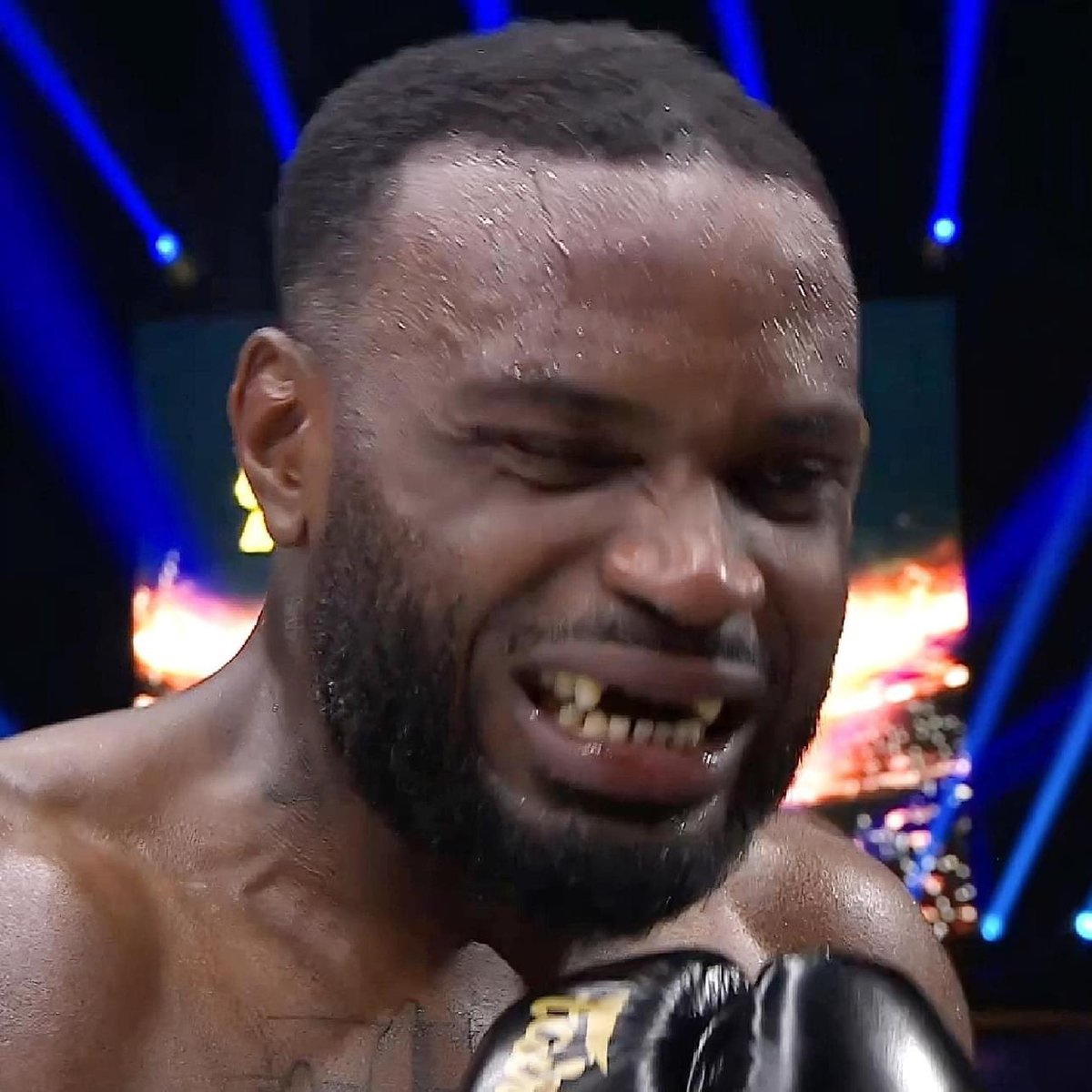
Ghanaian kick boxer Michael Boapeah knocked out some of his opponent’s front teeth and won his fight by TKO.
In places like Lagos where children and young adults often play football on the streets, school fields, or around compounds, dental injuries can happen instantly. A simple tackle or fall can lead to a tooth being completely knocked out, leaving both shock and panic. In that moment, most people do not know whether the tooth can still be saved or what to do first. Understanding first aid for a knocked-out tooth is critical because quick action within minutes can determine whether the tooth is successfully restored.
What You Should Do
- Pick up the tooth carefully
Hold it by the top part (the crown), not the root. - Rinse it gently if dirty
Use clean water. Do not scrub or remove any tissue attached to it. - Try to place it back in the socket
If possible, gently push it back into position. - If that is not possible, store it properly
Place the tooth in milk or inside the mouth (between the cheek and gum). - Get to a dentist immediately
Ideally within 30 to 60 minutes.
The faster you act, the higher the chance the tooth can be saved. Delaying too long reduces the chances of successful reattachment.
Broken or Chipped Tooth
A broken or chipped tooth can happen unexpectedly, often from biting something hard like a bone in food, a snack with hidden seeds, or even an accidental impact during daily activities. In Lagos, this is common in both children and adults because of the fast-paced lifestyle and everyday eating habits. The damage may look small at first, but it can expose sensitive parts of the tooth and lead to pain or further breakage if ignored. Knowing the right first aid for a broken or chipped tooth helps reduce discomfort and protects the tooth until you can see a dentist.
First Aid Steps
- Rinse your mouth with warm water
- Save any broken pieces if possible
- Avoid chewing on that side of the mouth
- Apply a cold compress to reduce swelling
- Visit a dentist as soon as possible
Even if there is no pain, a broken tooth should be examined to prevent further damage.
Dental Injury from Sports or Accidents
Sports and outdoor activities are a normal part of life in Lagos, especially football played in streets, schools, and open fields. However, these activities also carry a risk of sudden mouth injuries from falls, collisions, or accidental hits. Such injuries can affect the teeth, lips, or jaw, and in some cases cause bleeding or loosened teeth. In these moments, it is important to stay calm and understand first aid for dental injuries from sports or accidents so the damage does not worsen before reaching a dentist.
What to Do
- Check for bleeding and apply gentle pressure with a clean cloth
- Use an ice pack on the outside of the mouth to reduce swelling
- Avoid touching or moving the injured tooth
- Watch for signs of jaw injury, such as difficulty opening the mouth
Any injury involving the mouth should be checked by a dentist, even if it seems minor at first..
Swelling, Abscess or Infection
Swelling in the mouth or face is often a sign of infection. This is not something to ignore.
Swelling in the mouth or face often develops gradually, starting as mild discomfort before becoming more noticeable and painful. In many cases, people in Lagos may ignore early signs, thinking it will resolve on its own, especially when they are busy with work or daily activities. However, swelling or abscess is usually linked to infection, which can spread if not addressed properly. Knowing first aid for swelling, abscess, or infection helps you take the right immediate steps while preparing to see a dentist for proper treatment.
First Aid Steps
- Rinse your mouth with warm salt water
- Avoid pressing or touching the swollen area
- Do not attempt to drain the swelling yourself
- Seek urgent dental care
Infections can spread if left untreated, affecting other parts of the body. Early treatment is important.
Bleeding Gums or After Tooth Extraction
Bleeding can occur after brushing too hard, gum disease, or following a dental procedure.
Bleeding from the gums can happen during brushing, due to gum sensitivity, or after a dental procedure like tooth extraction. After an extraction, it is normal to experience some bleeding, but it often causes concern when it continues longer than expected. In a busy environment like Lagos, people may not always have immediate access to follow-up care, so knowing first aid for bleeding gums or after tooth extraction becomes important. Proper initial care helps control bleeding and supports healing before you can return to a dentist if needed.
What to Do
- Apply gentle pressure using clean gauze
- Keep the head elevated
- Avoid rinsing the mouth aggressively
- Avoid hot drinks for a few hours
If bleeding continues for an extended period, it is important to seek professional help.
What Not to Do
In many cases, the wrong action can make a dental problem worse. Some common mistakes include:
- Using sharp objects to remove debris
- Applying unknown substances to the tooth or gum
- Ignoring pain and hoping it will go away
- Delaying treatment for too long
These actions often lead to complications that could have been avoided.
When You Should See a Dentist Immediately
Some situations require urgent attention. You should visit a dentist as soon as possible if:
- Pain lasts more than 24 hours
- Swelling increases
- A tooth is loose or knocked out
- There are signs of infection
- You have difficulty eating or speaking
Delaying treatment in these cases can lead to more serious problems.
How Luxe Dental Supports Emergency Care
At Luxe Dental in Ikeja, emergency dental care is approached with both urgency and accuracy. The first step is always to understand the problem clearly before beginning treatment.
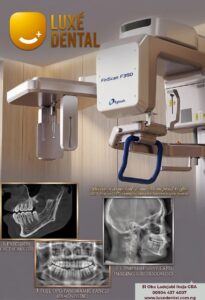
We use diagnostic tools such as CBCT scans, OPG, and when necessary, cephalometric imaging to assess complex cases. This allows us to identify hidden issues that may not be visible during a basic examination.
For patients, this means:
- Faster identification of the problem
- More accurate treatment planning
- Reduced risk of complications
Whether it is a severe toothache, a broken tooth, or a dental injury, proper diagnosis helps ensure the right treatment is given from the start.
Living in Lagos: Why Quick Action Matters
In a city like Lagos, delays can happen for many reasons—traffic, work schedules, or distance. That is why knowing basic dental first aid is important.
However, first aid is only temporary. It buys you time, but it does not solve the underlying problem.
The sooner you move from first aid to professional care, the better the outcome.
Frequently Asked Questions
Can a knocked-out tooth really be saved?
Yes, if handled properly and treated quickly, it can often be reattached.
How long can I wait before seeing a dentist?
For emergencies, you should go as soon as possible. Waiting too long can worsen the situation.
What is the fastest way to reduce toothache?
Rinsing with warm salt water and using mild pain relief can help temporarily, but a dentist must identify the cause.
Is swelling always serious?
Swelling often indicates infection and should not be ignored.
Final Thoughts
Dental emergencies can happen at any time, often when you least expect them. Knowing what to do in those first few moments can make a significant difference in reducing pain and protecting your teeth.
Simple steps like rinsing, applying pressure, or storing a knocked-out tooth correctly can improve outcomes. But these are only temporary measures.
Proper dental care requires professional attention. At Luxe Dental in Ikeja Lagos, patients receive timely care, accurate diagnosis, and treatment that addresses the root of the problem.
When it comes to dental health, quick action and the right care make all the difference.