How to Care for Your Child’s Teeth From an Early Age
Many parents in Lagos only begin to pay attention to their child’s teeth when there is pain, swelling, or difficulty eating. A child suddenly refuses cold water, complains while eating bread on the way to school, or wakes up at night crying because of tooth pain. By that point, what could have been prevented with simple daily care may already require treatment.
The truth is that children’s dental care starts much earlier than most people think. Healthy teeth are not only important for eating and smiling. They also affect speech development, confidence, nutrition, and the proper growth of permanent teeth later in life. Poor oral care during childhood can create long-term dental problems that continue into adulthood.
In busy cities like Lagos, where school schedules, traffic, work pressure, and fast-paced lifestyles already demand so much attention from parents, dental care is often overlooked until there is an emergency. Unfortunately, many childhood dental problems develop quietly. Tooth decay can begin long before visible pain appears.
Understanding how to care for your child’s teeth from an early age can help prevent avoidable pain, reduce future treatment costs, and build healthy habits that last for life.
Why Early Dental Care Matters
Many people still believe baby teeth are not important because they eventually fall out. This is one of the biggest misconceptions in children’s dental care.
Baby teeth play several important roles:
- They help children chew food properly
- They support speech development
- They guide permanent teeth into the correct position
- They help maintain facial structure and confidence
When baby teeth are lost too early because of decay or infection, it can affect how adult teeth grow later. Some children develop spacing problems or crooked teeth simply because early dental issues were ignored.
Early dental care also helps children become comfortable with dental visits. A child who only visits the dentist during pain or emergencies is more likely to develop fear and anxiety about treatment.
When Should Dental Care Start?
Dental care begins before the first tooth appears.
Even before teething starts, parents should gently clean the baby’s gums using a soft clean cloth after feeding. This helps remove bacteria and keeps the mouth clean.
Once the first tooth appears, brushing should begin immediately using:
- A soft baby toothbrush
- A small amount of fluoride toothpaste
- Gentle circular brushing movements
Most dentists recommend that a child should have their first dental visit by age one or within six months of the first tooth appearing.
Unfortunately, many parents wait until primary school age before bringing a child to the dentist. By then, cavities or gum problems may already exist.
Common Causes of Tooth Decay in Children
Tooth decay in children is more common than many parents realize. In Lagos especially, changing diets and increased sugar consumption contribute heavily to childhood dental problems.
Common causes include:
Frequent Sugary Snacks
Children who regularly consume sweets, biscuits, chocolate, sugary cereals, and soft drinks are at higher risk of cavities. Many common snacks sold around schools contain high sugar levels that remain on the teeth for long periods.
Sleeping With Feeding Bottles
Allowing children to sleep with milk or sugary drinks in bottles can lead to severe decay, sometimes called bottle caries. During sleep, saliva production reduces, allowing sugar to stay on the teeth longer.
Poor Brushing Habits
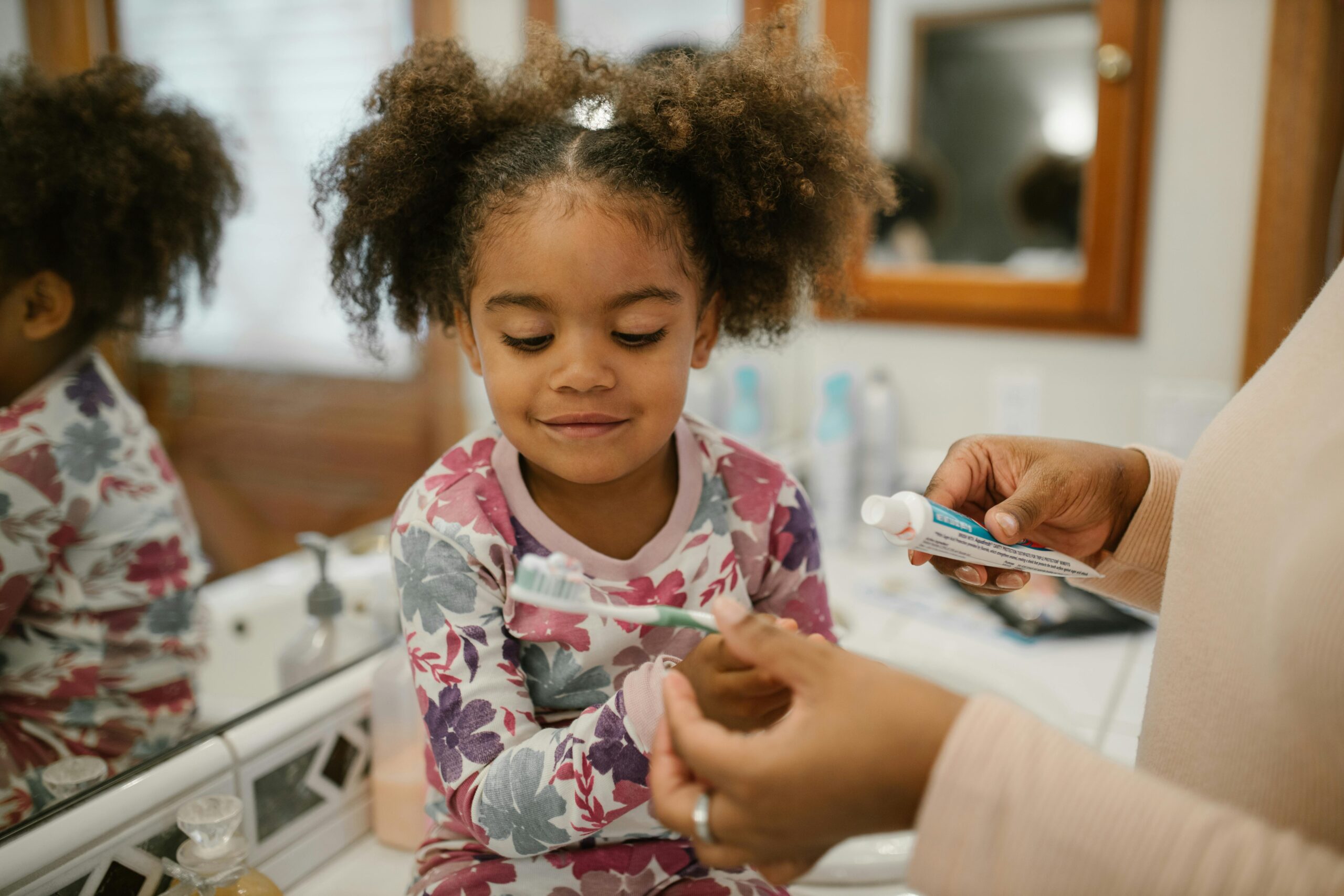
Some children brush too quickly or do not brush properly at all. Younger children especially need supervision while brushing.
Irregular Dental Visits
Many dental issues begin silently. Without regular checkups, problems may go unnoticed until they become painful.
How Parents Can Build Good Oral Habits Early
Good dental habits are easier to build during childhood than adulthood.
Start Brushing Early
Children should brush twice daily:
- In the morning
- Before bedtime
Night brushing is especially important because bacteria become more active during sleep.
Supervise Brushing
Children below age seven usually need help brushing properly. Parents should supervise to ensure:
- Teeth are brushed thoroughly
- The tongue is cleaned
- Brushing lasts at least two minutes
Make Brushing Part of Daily Routine
Children respond well to consistency. Brushing should become as normal as bathing or dressing for school.
Avoid Using Fear
Some parents threaten children with statements like:
“If you don’t behave, the dentist will inject you.”
This creates unnecessary fear. Dental visits should be presented positively.
Foods That Help Protect Children’s Teeth
Diet plays a major role in oral health.
Healthy foods for children’s teeth include:
- Fruits
- Vegetables
- Cheese
- Yogurt
- Water
- Nuts (age appropriate)
- Foods rich in calcium
Water is especially important. It helps wash away food particles and sugar while keeping the mouth hydrated.
In Lagos, where heat often encourages frequent soft drink consumption, encouraging children to drink more water can significantly improve oral health.
Foods and Habits That Damage Teeth
Some habits quietly increase the risk of cavities and gum problems.
These include:
- Constant snacking
- Sugary drinks before bed
- Excessive candy
- Sticky snacks
- Frequent soda consumption
- Chewing ice
- Poor brushing routines
Many children consume sugary drinks after school almost daily. While occasional treats are normal, constant exposure to sugar increases the risk of decay significantly.
Signs Your Child May Have Dental Problems
Parents should watch for early warning signs such as:
- Tooth pain
- Swollen gums
- Sensitivity to cold foods
- Difficulty chewing
- Bleeding gums
- Bad breath
- Black or brown spots on teeth
- Loose teeth earlier than expected
Some children may not complain openly. Instead, they may avoid eating on one side of the mouth or become unusually irritable during meals.
Dental Injuries in Children
Children are naturally active. In Lagos estates, school playgrounds, football fields, and street play areas, dental injuries are common.
A child may:
- Fall while running
- Get hit during football
- Crack a tooth while playing
- Knock out a tooth accidentally
Knowing basic first aid is important.
If a tooth is knocked out:
- Stay calm
- Hold the tooth by the crown, not the root
- Rinse gently with clean water
- Seek dental care immediately
Quick action may improve the chances of saving the tooth.
Why Regular Dental Checkups Are Important
Routine dental visits help detect problems early before they become serious.
Regular checkups allow dentists to:
- Identify cavities early
- Monitor tooth development
- Detect alignment problems
- Clean plaque buildup
- Educate parents on preventive care
Preventive care is always easier and less expensive than emergency treatment.
Children who attend regular dental visits also become more comfortable in dental environments, reducing fear later in life.
Thumb Sucking and Oral Habits
Thumb sucking is common in younger children, but prolonged habits can affect tooth alignment and jaw development.
If the habit continues beyond early childhood, it may contribute to:
- Protruding teeth
- Bite problems
- Speech difficulties
Dentists can help monitor and manage these habits before they become severe.
The Importance of Fluoride
Fluoride helps strengthen teeth and reduce the risk of cavities.
Using fluoride toothpaste in appropriate amounts can help protect children’s teeth from decay. However, younger children should be supervised to avoid swallowing large amounts of toothpaste.
Parents should also ensure children use age-appropriate toothbrushes and toothpaste.
Orthodontic Problems in Children
Some alignment problems begin developing very early.
Parents should watch for:
- Crowded teeth
- Difficulty biting
- Mouth breathing
- Early or delayed tooth loss
- Teeth growing in unusual positions
Early detection allows treatment planning before problems become more complicated.
Helping Children Feel Comfortable at the Dentist
A child’s first dental experience can shape how they feel about dental care for years.
Parents can help by:
- Staying calm during visits
- Avoiding frightening language
- Explaining dental visits positively
- Scheduling appointments when the child is rested
A child-friendly dental environment also makes a major difference.
Why Prevention Saves Money
One of the biggest advantages of early dental care is prevention.
Small cavities are easier and less expensive to treat than advanced decay requiring:
- Tooth extraction
- Root canal treatment
- Crowns
- Emergency procedures
Many dental emergencies seen in children could have been prevented through regular checkups and proper home care.
Preventive dentistry helps parents avoid unnecessary stress, pain, and emergency visits.
Children’s Dental Care at Luxe Dental
At Luxe Dental, we understand that children require a different approach to dental care. Many young patients feel nervous during their first visit, which is why we focus on creating a calm and welcoming environment.
Our approach emphasizes:
- Gentle examinations
- Preventive care
- Early diagnosis
- Patient education for parents
- Comfortable treatment experience
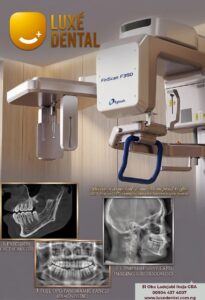
Where necessary, modern diagnostic tools such as dental X-rays and advanced imaging help improve diagnosis and treatment planning while ensuring patient safety.
Located in Ikeja Lagos, Luxe Dental is accessible to families across areas including Allen, Maryland, Opebi, Magodo, and surrounding parts of Lagos.
Final Thoughts
Caring for a child’s teeth from an early age is one of the most important investments parents can make in their overall health and confidence.
Healthy oral habits built during childhood often continue into adulthood. Simple steps such as proper brushing, healthier diets, routine dental visits, and early treatment can prevent many common dental problems before they become serious.
In a busy city like Lagos where schedules are packed and life moves quickly, preventive dental care is often overlooked until there is pain. However, early attention to oral health can save children from discomfort, improve their confidence, and support healthier development long term.
Parents do not need to wait for toothache or swelling before taking dental care seriously. Starting early makes all the difference.